What Roof Removal Involves and When It’s Necessary
People searching for what roof removal involves and when it’s necessary can benefit from local contractors who specialize in safely tearing off old roofs and managing the entire process.
If you're exploring what roof removal involves and when it’s necessary, you're in the right place. Property owners in the area often face situations where replacing or repairing a roof becomes essential-whether due to age, damage from storms, or the need for upgrades. Understanding the process can help you make informed decisions about your property’s maintenance and ensure that the work is handled safely and effectively by experienced local contractors. Keep reading to learn more about the signs that indicate roof removal might be needed and how local professionals can assist throughout the project.
Knowing when roof removal is a practical step can save property owners time and effort in the long run. It’s often necessary when existing roofing materials are beyond repair, or when underlying issues like structural damage are discovered during inspections. Local service providers specialize in managing these projects, providing the expertise needed to remove old roofing efficiently and prepare the surface for a new roof. By understanding what roof removal involves and recognizing the right moments for it, property owners can better plan for the health and longevity of their buildings.
- Full roof removal - needed when a roof has sustained extensive damage or is nearing the end of its lifespan, with local contractors carefully dismantling the old structure.
- Roof deck removal - required when the underlying roof deck needs replacement due to rot, leaks, or structural issues, with service providers ensuring proper disposal and safety.
- Asphalt shingle removal - performed when upgrading or replacing shingles, with local pros efficiently stripping away old materials to prepare for new roofing.
- Flat roof removal - necessary for repairs or replacements on flat roofing systems, where specialists handle the removal process to minimize disruption and ensure proper disposal.
- Roof tear-off for remodeling - involved when a roofing system must be removed to facilitate home renovations or additions, with experienced contractors managing the process safely and effectively.
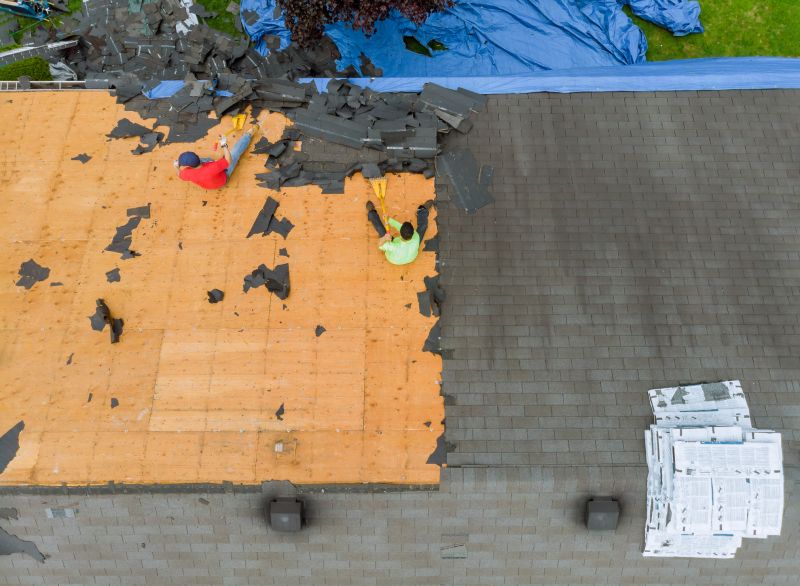
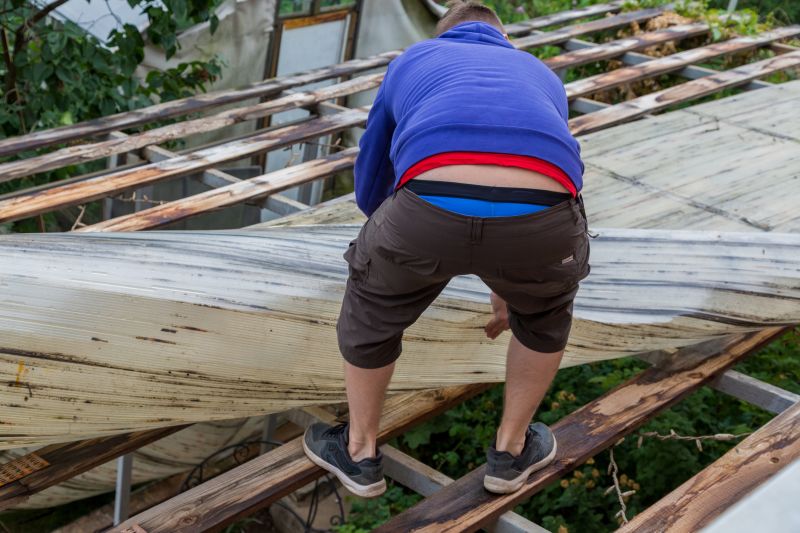
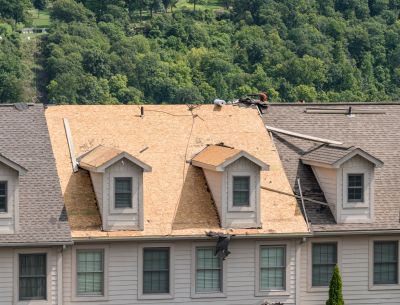
When people search for what roof removal involves and when it’s necessary, they are usually trying to understand the scope of the work involved in taking off an existing roof. This process can be part of a larger project, such as replacing an aging or damaged roof, upgrading to a different roofing style, or preparing for significant structural repairs. Roof removal typically includes stripping away old shingles, tiles, or other roofing materials, inspecting the underlying structure for damage, and preparing the surface for a new roof installation. Homeowners often seek this information when planning renovations or repairs to ensure they know what to expect and how the process might impact their property.
This topic is closely related to common problems like leaks, storm damage, or deterioration caused by weather exposure. When a roof shows signs of significant wear, or if it’s no longer providing adequate protection, roof removal becomes a necessary step before installing a new roof. Additionally, homeowners considering a complete overhaul to improve energy efficiency or change the aesthetic of their home may need to remove the existing roof entirely. In some cases, roof removal is part of a larger construction project, such as adding an extension or converting an attic, which requires a thorough assessment of the existing roofing system.
The types of properties that typically come up in discussions about roof removal include single-family homes, multi-family residences, and small commercial buildings. Residential properties often require roof removal when repairs or replacements are needed due to age, storm damage, or upgrades. Commercial buildings may also undergo roof removal for similar reasons, especially when dealing with flat or low-slope roofs that are more prone to leaks or structural issues. The condition of the existing roof, the material used, and the overall structure of the property influence whether roof removal is a necessary step, and local service providers are equipped to handle these diverse projects efficiently.
Understanding what roof removal involves and when it’s necessary helps homeowners make informed decisions about their property. It’s a key part of many renovation or repair projects, especially when the existing roof has reached the end of its lifespan or has sustained significant damage. Engaging with experienced local contractors ensures that the process is carried out properly, minimizing disruption and preparing the property for a durable, long-lasting new roof. These service providers can evaluate the specific needs of each property and recommend the appropriate approach to achieve a safe and effective roof replacement.
Deck Removal Services - These projects involve removing existing decks or outdoor structures, requiring similar planning and precise demolition techniques used in roof removal.
Siding Replacement Projects - Replacing or repairing siding involves careful removal of exterior materials, paralleling the skills needed for roof removal and assessment.
Chimney Demolition - Demolishing or removing chimneys requires structural understanding and careful handling, similar to roof removal processes.
Attic Insulation Removal - Removing old or damaged attic insulation involves dismantling and planning, akin to the steps in roof removal when preparing for replacement.
Gutter and Fascia Replacement - Replacing gutters and fascia involves working at heights and precise removal, paralleling roof removal techniques.
Exterior Wall Repairs - Repair or removal of damaged exterior walls shares planning and demolition skills with roof removal projects.
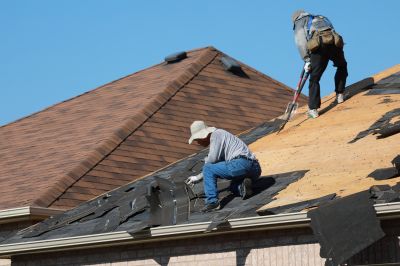
When comparing local contractors for roof removal services, it’s important to consider their experience with similar projects. Homeowners should look for service providers who have a proven track record of handling roof removals, especially those involving the specific type of roofing material and structure present on the property. An experienced contractor will better understand the complexities involved in safely and efficiently removing a roof, as well as any potential challenges that may arise during the process. Ensuring a contractor’s familiarity with the scope of what roof removal involves and when it’s necessary can help prevent surprises and ensure the project progresses smoothly.
Clear, written expectations are essential when evaluating potential service providers. Homeowners should seek detailed estimates and scope of work that outline what the roof removal process entails, including any preparatory steps, debris disposal, and safety considerations. Having this information in writing helps ensure everyone is aligned on the project’s scope and reduces misunderstandings. Reputable local contractors will be transparent about their methods and what the process involves, giving homeowners confidence that the work will be completed properly and efficiently. Additionally, clear expectations can serve as a basis for comparing different providers and making an informed decision.
Reputation and communication are key factors to consider when choosing a roof removal specialist. Trusted service providers will be able to provide references from previous clients or examples of similar projects, demonstrating their capability and reliability. Good communication is also crucial; homeowners should feel comfortable asking questions and receiving straightforward answers about what roof removal involves and when it’s necessary. Contractors who prioritize clear dialogue and transparency are more likely to deliver satisfactory results and ensure that the project aligns with the homeowner’s expectations. Taking the time to verify references and assess communication style can help identify local pros who are dependable and well-suited for the job.
Property owners often search for what roof removal involves and when it’s necessary when they are planning practical projects around their homes and businesses. Local pros provide Roof Removal services for everyday jobs and straightforward project options.
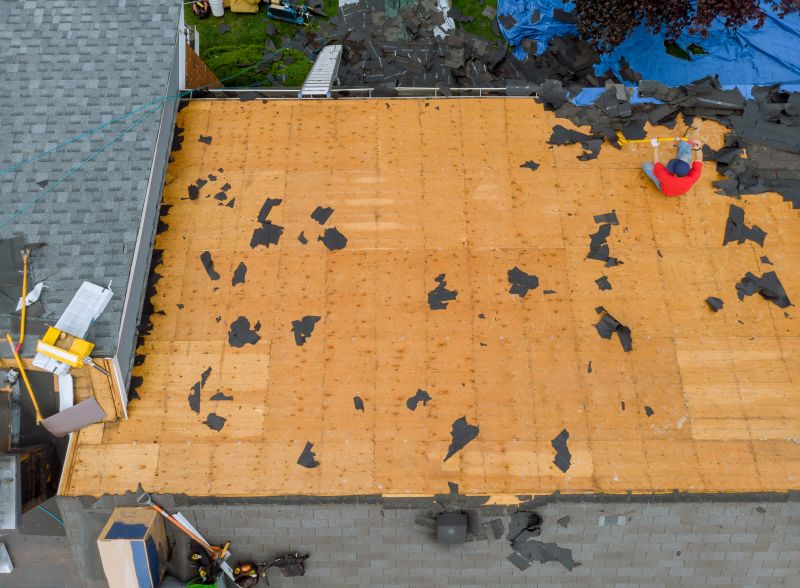
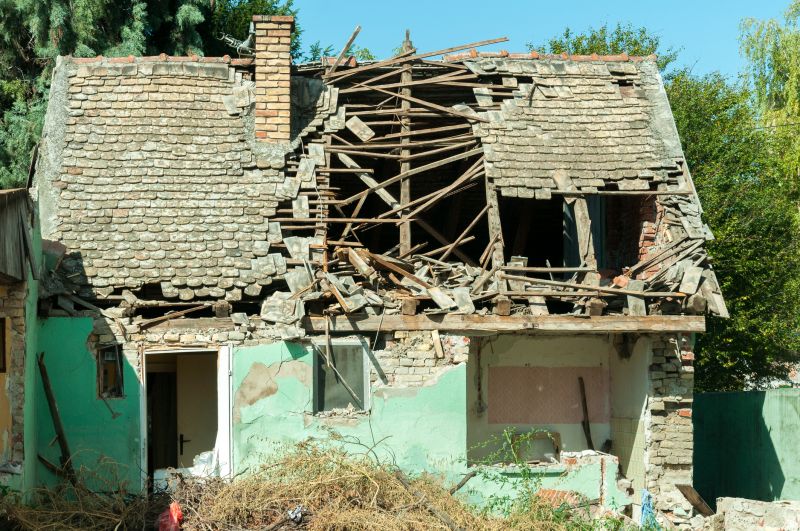
Understanding what roof removal involves and when it’s necessary can help property owners make informed decisions about their roofing projects. Typically, roof removal is part of a larger process when replacing an aging or damaged roof, or when upgrading to a different roofing style or material. In many cases, local contractors are called upon to carefully strip away the existing roofing layers, ensuring the underlying structure is sound before installing a new roof. This task requires proper tools and experience to avoid damaging the building and to facilitate a smooth replacement process.
Property owners might seek roof removal services when repairs are no longer sufficient to address leaks, extensive damage, or deterioration caused by weather or aging. It’s also common to consider roof removal when the existing roof is incompatible with new materials or design preferences. In such situations, local service providers can evaluate the current roof, determine if removal is necessary, and handle the job efficiently. This ensures the project is completed safely and correctly, laying the groundwork for a durable, long-lasting roof installation.
What does roof removal involve? Roof removal typically includes stripping away the existing roofing materials, inspecting the underlying structure, and preparing the surface for a new roof. Local contractors use specialized tools and safety procedures to complete this process efficiently and safely.
When is roof removal necessary? Roof removal is often necessary when the existing roof is severely damaged, has reached the end of its lifespan, or when a roof replacement is part of a larger home renovation project. Professionals can assess whether removal is required based on the condition of the current roof.
Can roof removal be done on any type of roof? Most types of roofs, including asphalt shingles, wood shakes, and metal roofs, can be removed by experienced service providers. The specific approach may vary depending on the roofing material and the structure underneath.
What are common signs that indicate roof removal is needed? Signs include extensive roof damage, persistent leaks, sagging areas, or visible deterioration of roofing materials. Local pros can evaluate these signs and advise if roof removal is the appropriate step.
How do professionals handle the removal process safely? Local contractors follow safety protocols, use proper protective equipment, and employ specialized tools to ensure the roof removal process is conducted securely and efficiently, minimizing risks during the project.
Assessing roof condition - Property owners can evaluate signs of damage or wear to determine if roof removal is needed before a replacement or repair project.
Planning for roof removal - Homeowners should consider the scope of work and gather advice from local contractors on how to prepare for roof removal services.
Understanding when removal is necessary - Knowing the situations that require roof removal, such as extensive damage or structural issues, helps property owners decide when professional help is needed.
Choosing the right service providers - Comparing local contractors who specialize in roof removal ensures the project is handled efficiently and safely when it’s time to replace or repair a roof.
If you are thinking about what roof removal involves and when it’s necessary for a property, this guide is meant to help you understand this topic, the typical project types, and how different options might fit your plans.
When you are ready, you can use the quote form on this page to share a few details about your project. From there, local pros can review the basics and follow up with options that match what you have in mind.